“`html
When Your Dryer Becomes an Expensive Clothes Tumbler
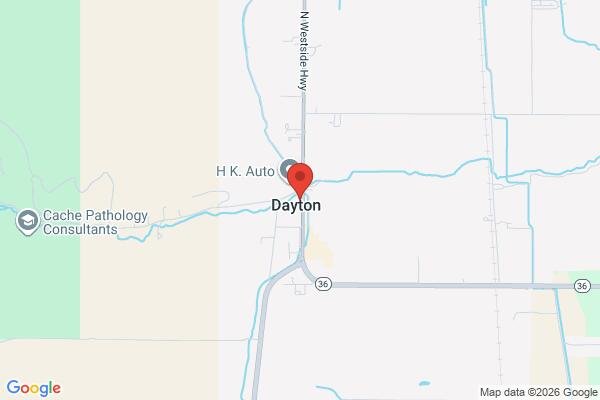
It’s 9 PM on a Tuesday in Dayton, and you’ve just pulled your second load of towels from the dryer. They’re still damp. Annoyingly damp. You throw them back in for another cycle, mentally calculating whether you’ll make it to bed before midnight. If this scene sounds familiar, you’re dealing with one of the most common appliance headaches: a dryer that runs but doesn’t heat. The drum spins perfectly, the timer counts down, but your clothes emerge as moist as they went in. In Idaho’s dry climate, where many of us hang-dry clothes outdoors during summer, a broken dryer might seem like a minor inconvenience. But come winter in 83232, when temperatures drop below freezing and outdoor drying isn’t an option, that malfunctioning dryer becomes a genuine household crisis.
What’s Actually Happening When Your Dryer Runs Cold
Before you panic about replacement costs, understand that a dryer not heating is usually fixable—and often not even that expensive. The heating mechanism in your dryer depends on several components working together, and when one fails, you get that frustrating symptom where clothes take multiple cycles to dry (or never fully dry at all). Electric dryers, which are most common in Dayton homes, rely on a heating element that glows red-hot to warm the air circulating through your clothes. When this element burns out, you’re essentially running a room-temperature fan. Gas dryers have igniters and flame sensors that can fail similarly. The good news? You can often identify the problem yourself before calling a professional.
DIY Troubleshooting Steps You Can Try Today
Start with the simplest culprit: your lint trap and exhaust vent. Dayton’s agricultural surroundings mean our homes accumulate more dust and particulates than urban areas, and dryer vents clog faster than you’d think. Pull out your lint screen and clean it thoroughly—even if it looks clean, wash it with soap and water to remove invisible residue that blocks airflow. Then, disconnect your dryer and check the exhaust vent running to the outside. If you feel weak airflow at the exterior vent opening while the dryer runs, you’ve found your problem. A clogged vent forces your dryer to work harder and can actually cause it to shut off its heating element as a safety measure. This fix costs you nothing but time.
If vents aren’t the issue, check your circuit breaker. Electric dryers require 240 volts and use two breakers—if one trips, the drum will spin but the heating element won’t work. Reset both breakers completely by switching them off and then on again. For those troubleshooting a Samsung dryer not heating, also check the moisture sensors inside the drum. These small metal strips can develop residue buildup from fabric softener and detergent, causing false readings that make the dryer think clothes are already dry. Wipe them clean with rubbing alcohol and a cloth.
When to Call a Professional and What It’ll Cost
If basic troubleshooting doesn’t solve your problem, you’re likely looking at a component failure. Here’s the reality of dryer heating element replacement costs in the Dayton area: the heating element itself typically runs between $25-$80 for the part, depending on your dryer’s make and model. Professional installation usually adds $100-$200 to that total, making most electric dryer not heating repairs fall in the $150-$280 range. That’s significantly cheaper than replacing a dryer that might otherwise have years of life left. A thermal fuse replacement costs even less—usually $125-$175 total. These small fuses blow when your dryer overheats (often from those clogged vents we mentioned), and replacing them is straightforward for experienced technicians.
Red Flags That Mean “Don’t Wait Another Day”
- Burning smell when the dryer runs: This indicates serious overheating and poses a fire risk—unplug immediately and call for service
- The dryer stops mid-cycle repeatedly: Your thermal cutoff might be triggering due to dangerous temperature levels
- Visible damage to the power cord or outlet: Electrical issues require immediate professional attention
- The dryer is more than 15 years old: Repair costs might exceed the value of the appliance, especially if multiple components are failing
- You hear grinding, squealing, or unusual mechanical noises: Additional problems might compound your heating issue
Making Smart Repair Decisions in Small-Town Idaho
Living in a community of around 500 people means appliance repair might require scheduling with technicians from nearby Franklin County towns. That’s actually an advantage when vetting contractors—ask neighbors for recommendations and check reviews specifically mentioning service in the 83232 area. Get quotes from at least two providers, but don’t automatically choose the cheapest. Ask whether they stock common parts for your dryer brand (Whirlpool, Maytag, Samsung, LG) or if they’ll need to order components, which extends your repair timeline. A qualified technician should be willing to diagnose the problem before committing you to expensive repairs, typically for a $75-$100 service call fee that applies toward the repair if you proceed.
The average dryer lasts 10-13 years, so if yours is relatively young and the repair costs less than half of replacement, fixing makes financial sense. However, if you’re facing a $300 repair on a 12-year-old dryer, replacement might be wiser—especially with newer models offering better energy efficiency that offsets the initial cost.
Finding Reliable Help in Dayton
When searching for appliance repair professionals serving Dayton, ID, prioritize those with transparent pricing, good communication, and willingness to explain your options honestly. Look for technicians who service 83232 regularly and can respond within a reasonable timeframe—waiting two weeks with wet laundry piling up isn’t acceptable. The right repair professional will help you understand whether fixing or replacing makes the most sense for your specific situation and budget.
“`

