“`html
When Your Laundry Routine Hits a Cold Reality
It’s a damp March morning in Saunderstown, and you’ve just pulled your “dry” towels from the dryer after a full cycle. They’re still soaking wet. You toss them back in, select high heat again, and an hour later—same result. The drum spins perfectly fine, you hear the familiar tumbling sound, but your clothes emerge just as wet as when they went in. If your dryer runs but doesn’t heat, you’re facing one of the most common appliance issues in coastal Rhode Island homes, where humidity already makes air-drying a challenge nine months out of the year.
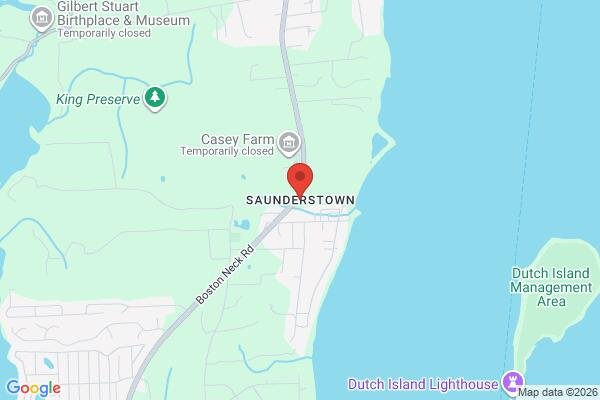
Here’s the good news: dryer not heating repair is usually straightforward, and understanding what’s happening inside your machine can save you both time and money. Living in 02874 means you’re likely dealing with either an electric dryer in one of the area’s historic homes or a gas model in newer construction near Bonnet Shores. The troubleshooting approach differs slightly, but both are manageable with the right information.
What Actually Makes Your Dryer Stop Producing Heat?
Before calling for professional dryer heating element replacement, you can investigate the most common culprits yourself. The thermal fuse tops the list—this safety device cuts power to the heating element if your dryer overheats, and once it blows, it doesn’t reset. You’ll find it mounted on the blower housing or near the heating element. If you’re comfortable with basic tools, you can test it with a multimeter (set to the lowest ohms setting). No continuity? That’s your problem right there.
The heating element itself ranks second. In electric dryers, this coil heats the air that dries your clothes. Years of use cause the coil to break, especially in areas with hard water like parts of Saunderstown where mineral deposits accelerate wear. For those with Samsung dryers, the heating element assembly is a particularly common failure point after five to seven years of regular use. If you want to Samsung dryer not heating troubleshoot on your own, disconnect power completely, remove the lower front panel, and visually inspect the element for breaks in the coil.
The DIY Safety Check You Should Do Right Now
The single most overlooked cause of heating problems? A clogged vent system. When lint builds up in your exhaust vent, restricted airflow triggers the thermal fuse to blow as a safety measure. This is particularly problematic in Saunderstown’s older homes where dryer vents run longer distances or include multiple turns before reaching an exterior wall. Grab a flashlight and check your exterior vent hood—if you see lint accumulation or the flap doesn’t open easily when the dryer runs, that’s restricting airflow.
Understanding Dryer Not Heating Repair Costs in Saunderstown
Let’s talk numbers, because nobody wants surprise bills. For electric dryer not heating repair cost in the Saunderstown area, expect to pay between $150 and $280 for a service call that includes diagnosis and a standard heating element replacement. That typically covers the technician’s time (usually 45 minutes to 90 minutes), the part itself, and a basic warranty on the work. Thermal fuse replacement alone runs $100 to $180 since it’s a simpler job. If you’re dealing with multiple failed components—say, both the thermal fuse and heating element gave out—you’re looking at $250 to $400 depending on your dryer’s make and accessibility.
Gas dryers present different challenges. Issues with igniter failure or faulty flame sensors require specialized knowledge and safety considerations around gas connections. Professional repair for gas models typically starts at $200 and can climb to $450 for complex ignition system problems.
When Multiple Cycles Become Your New Normal
Maybe your dryer technically produces heat, but your dryer takes multiple cycles to dry even small loads. This halfway failure pattern frustrates homeowners because the problem seems intermittent. The heating element might be functioning at reduced capacity due to partial coil failure, or the cycling thermostat (which regulates temperature by turning the element on and off) could be malfunctioning. These intermediate failures actually cost you more in the long run—all those extra cycles add $15 to $30 monthly to your electric bill while gradually wearing out other components.
Questions That Separate Good Repair Services from the Rest
When you’re ready to call for professional dryer not heating repair in the 02874 area, asking the right questions protects you from unnecessary expenses. Start with these:
- Do you charge a flat diagnostic fee or trip charge? Reputable companies typically charge $75-$95 for diagnosis, which gets credited toward repair if you proceed.
- What brands do you regularly service? Technicians familiar with your specific model (Samsung, LG, Whirlpool, Maytag) work faster and carry common parts.
- Can you provide the part cost separately from labor? Transparency here indicates honest business practices.
- What’s your warranty on parts and labor? Look for at least 30 days on labor and manufacturer warranty on parts (usually 90 days to one year).
- Are you available for same-day or next-day service? Important in humid coastal weather when wet laundry can develop mildew quickly.
The Replacement vs. Repair Calculation
Here’s the uncomfortable truth: if your dryer is more than 12 years old and requires a $300+ repair, replacement often makes more financial sense. Modern dryers are significantly more energy-efficient—you’ll save roughly $100 annually on electricity with an Energy Star model compared to a 15-year-old unit. However, for dryers under eight years old, repair almost always wins. A $200 heating element replacement on a six-year-old dryer gives you another five to seven years of service, making it a smart investment.
Finding Qualified Help in Saunderstown
Whether you’re dealing with a dryer that won’t heat at all or one limping along with reduced efficiency, connecting with an experienced appliance repair technician who serves Saunderstown, RI regularly means faster diagnosis and proper repair the first time. Look for local companies with established reputations, verifiable reviews from other 02874 homeowners, and technicians who explain what they’re finding in terms you can understand. The right professional doesn’t just fix your immediate problem—they’ll spot potential issues before they become costly emergencies.
“`

