“`html
When Your Saturday Laundry Routine Hits a Cold Snap in White Stone
You pull out the bath towels after a full 60-minute cycle, expecting that warm, fresh-from-the-dryer feeling—but instead, they’re still damp and cold to the touch. You toss them back in, run another cycle, then another. Three hours later, you’re finally folding dry laundry and wondering what just happened to your Saturday. If your dryer runs but doesn’t heat, you’re dealing with one of the most common appliance issues in White Stone homes, especially in older properties around the Chesapeake Bay area where humidity already makes drying laundry challenging.
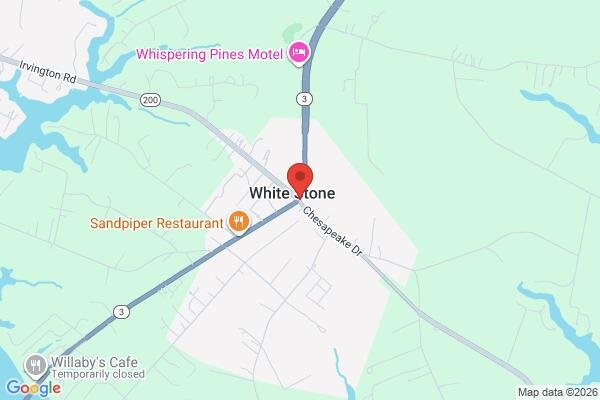
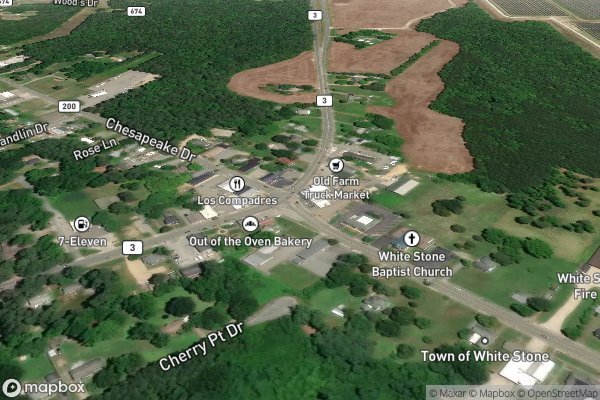
The good news? Not every heating problem means you need a new dryer. Many White Stone homeowners can troubleshoot the basics before calling for professional dryer not heating repair, potentially saving both time and money. Let’s walk through what’s actually happening when your dryer takes multiple cycles to dry clothes and when you should pick up the phone for expert help.
What’s Really Going Wrong When Your Dryer Blows Cold Air
Before you panic about replacement costs, understand that dryers are surprisingly straightforward machines. When your dryer runs but doesn’t heat, you’re typically dealing with one of four culprits. The heating element itself might have burned out—this happens more frequently in electric dryers, especially Samsung models manufactured between 2015-2019. The thermal fuse could be blown, which is essentially a safety device that cuts power to the heating system if your dryer overheats. Your gas dryer’s igniter might have failed, or the cycling thermostat that regulates temperature could be malfunctioning.
Here’s a quick safety check you can do yourself: First, unplug your electric dryer or turn off the gas supply. Pull the dryer away from the wall and disconnect the exhaust vent. Shine a flashlight through the vent opening—if you see a significant lint buildup in the ductwork, you’ve found at least part of your problem. Many homes in the 22578 area, particularly those built in the 1980s and 90s, have longer vent runs that snake through crawl spaces or attics. These accumulate lint faster than you’d expect, restricting airflow and triggering thermal fuses to blow. Clean that vent thoroughly with a dryer vent brush (available at White Stone’s hardware stores for around $20), then test your dryer again.
The DIY Heating Element Test That Takes 5 Minutes
If cleaning the vent didn’t solve your problem, you can check whether your heating element has continuity using a multimeter—a $15 tool that every homeowner should own anyway. Access the heating element by removing the back panel of your dryer (usually 4-6 screws). The element looks like a coiled wire housed in a metal chamber. Set your multimeter to measure resistance (ohms). Touch the probes to each terminal on the heating element. You should get a reading between 10-50 ohms. If you get no reading at all, your element is dead and needs replacement.
What Professional Dryer Not Heating Repair Actually Costs in White Stone
Let’s talk real numbers. The service call fee for appliance repair in the White Stone area typically runs $75-95, which usually applies toward your total repair cost if you proceed. A dryer heating element replacement cost ranges from $180-320 for most major brands, including parts and labor. That price includes the technician’s time (usually 45 minutes to an hour), the replacement element, and any incidental parts like thermal fuses that often fail alongside heating elements.
Electric dryer not heating repair cost tends to be more predictable than gas dryer repairs. Gas dryers involve additional components—igniters run $150-250 to replace, while gas valve coils cost $200-300 including labor. If you’re dealing with a high-end Samsung dryer not heating troubleshoot scenario, parts availability can add 2-5 days to your repair timeline, since specialized components often require ordering.
When to Skip the DIY Route and Call a Professional
Some situations demand immediate professional attention. Call an appliance repair technician right away if:
- You smell gas near your dryer (this is an emergency—leave the house and call your gas company first, then a repair service)
- Your dryer gets extremely hot on the outside or scorches clothing
- You see sparks, smoke, or burn marks inside the drum
- The drum won’t turn at all or makes grinding, metal-on-metal sounds
- Your Samsung dryer displays error codes related to the heating system (like HE codes) that persist after basic troubleshooting
- You’ve already replaced the thermal fuse twice in the past year
That last point is crucial—if thermal fuses keep blowing, you have an underlying ventilation or thermostat problem that’s creating dangerous overheating conditions. This isn’t just about damp towels anymore; it’s a fire hazard.
Questions That Separate Qualified Technicians from Parts-Changers
When you’re calling around for dryer not heating repair in the 22578 area, ask potential contractors these specific questions: Do they stock common heating elements for your dryer brand, or will they need to order parts? What’s their diagnosis fee policy—does it apply to the repair cost? Are they familiar with your specific model’s known issues? For instance, certain GE dryers from 2012-2016 have a common high-limit thermostat failure that experienced techs recognize immediately.
Also ask about their warranty on parts and labor. Reputable companies offer at least 90 days on parts and 30 days on labor. If they can’t commit to that, keep looking. You want a technician who’ll check your entire exhaust system, not just swap the heating element and leave. A comprehensive dryer repair appointment should include vent inspection, thermal fuse testing, and verification that your dryer’s actually drawing the correct voltage at the outlet.
Finding a qualified appliance repair professional in White Stone, VA doesn’t have to feel like a gamble. Look for technicians with manufacturer certifications, established local reputations, and the willingness to explain what they’re finding as they diagnose your dryer. The right repair person treats your Saturday laundry routine as seriously as you do—because nobody should need three cycles to dry a load of towels.
“`

