“`html
When Lake Winnipesaukee’s Winter Humidity Meets a Cold Dryer Drum
Picture this: It’s a frigid February morning in Melvin Village, and you’ve just pulled a load of towels from your dryer after running a full cycle. But instead of warm, fluffy fabric, you’re greeted with damp, cold cotton that smells faintly musty. You toss them back in for another round. Then another. Three cycles later, they’re finally dry, your electric bill is climbing, and you’re wondering if your dryer has decided to retire early. If your dryer runs but doesn’t heat, you’re not alone—this is one of the most common appliance complaints we see in the 03850 area, especially during our long New Hampshire winters when we’re running laundry constantly to keep up with snowy boots, wet gloves, and layers upon layers of clothing.
Why Your Dryer Takes Multiple Cycles to Dry (And What’s Actually Broken)
Before you panic about replacement costs, understand that a dryer not heating is usually fixable—and often more affordable than you’d think. The heating system in your dryer relies on several components working together, and when one fails, the drum still spins and the timer still counts down, but you’re essentially running a very expensive fan. The most common culprit? The heating element itself, which is essentially a coil that glows red-hot to warm the air circulating through your clothes. In electric dryers, these elements can burn out over time, especially if you’re in an older Melvin Village home where voltage fluctuations are more common.
Other potential problems include a faulty thermal fuse (a safety device that blows if your dryer overheats), a malfunctioning thermostat, or even a tripped circuit breaker that’s only partially supplying power. If you have a Samsung dryer not heating, you might also be dealing with their known issue of moisture sensor failures—something that became common enough in certain models that owners should check if they’re still under warranty or eligible for recall repairs.
DIY Troubleshooting Steps Before Calling a Professional
You don’t need to be an electrician to perform some basic detective work. Here’s what you can safely check on your own:
- Verify the power supply: Check your home’s electrical panel for a tripped breaker. Dryers use 240-volt circuits with two breakers—if only one has tripped, the drum will spin but the heating element won’t work.
- Clean the exhaust vent: A clogged vent restricts airflow, which can trigger safety sensors that shut off the heat. Disconnect the vent hose from the back of your dryer and check for lint buildup—in Melvin Village’s older homes, these vents sometimes run longer distances to reach exterior walls, making clogs more likely.
- Test with a small load: Overloading prevents proper air circulation. Try drying just 3-4 towels on high heat for 20 minutes to see if the issue is capacity-related.
- Check the lint filter housing: Pull out your lint trap and use a flashlight to look into the cavity—lint can accumulate below the filter itself, creating a hidden blockage.
What You’ll Actually Pay for Electric Dryer Not Heating Repair Cost in Melvin Village
Let’s talk real numbers. In the Lakes Region area, a standard service call typically runs $85-$125 just to have a technician diagnose the problem. Once they’ve identified the issue, dryer heating element replacement cost usually falls between $150-$300 for parts and labor combined—the element itself is often only $25-$50, but installation requires disassembling much of the dryer and testing electrical connections. If you’re looking at thermal fuse replacement, expect $100-$175 total. A thermostat runs slightly higher at $120-$200. These prices reflect what most reputable appliance repair companies charge in the 03850 zip code, though you might find slightly lower rates if you’re willing to wait longer for an appointment or higher fees for same-day emergency service.
Here’s the calculation that matters: if your dryer is under seven years old and cost more than $500 new, repair almost always makes financial sense. If it’s a decade old and you’re already noticing other issues (strange noises, the door not latching properly, excessive vibration), you might be throwing good money after bad. A new mid-range dryer costs $600-$900, so if repair estimates exceed $350-$400, replacement becomes worth considering.
The Melvin Village Factor: Why Location Matters for Dryer Repairs
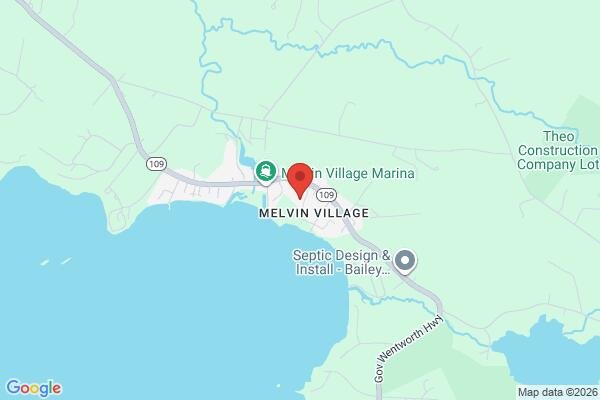
Living in a small lakeside community has its charms, but appliance repair can present unique challenges. Many national appliance chains won’t service Melvin Village due to our distance from their Laconia or Meredith hubs, meaning you’ll likely work with independent repair technicians or smaller regional companies. This isn’t necessarily bad—local pros often provide more personalized service and have experience with the quirks of older New England homes, including those vintage cottages near Melvin Cove that have been converted to year-round residences.
Winter accessibility can also affect service scheduling. If we’re in the middle of a nor’easter dumping two feet of snow, you might wait an extra day or two for repair appointments. Plan accordingly by keeping a clothesline or drying rack on hand—our low winter humidity actually makes air-drying more effective than you’d expect, even if it’s not as convenient.
Finding a Qualified Appliance Repair Pro in the Lakes Region
When you’re ready to schedule that dryer not heating repair, look for technicians who are factory-certified for your specific brand (especially important for Samsung, LG, or Bosch owners), carry liability insurance, and can provide references from other Melvin Village or Tuftonboro customers. A good repair company will give you a firm quote after diagnosis rather than vague estimates, and they should warranty their work for at least 30-90 days.
“`

